


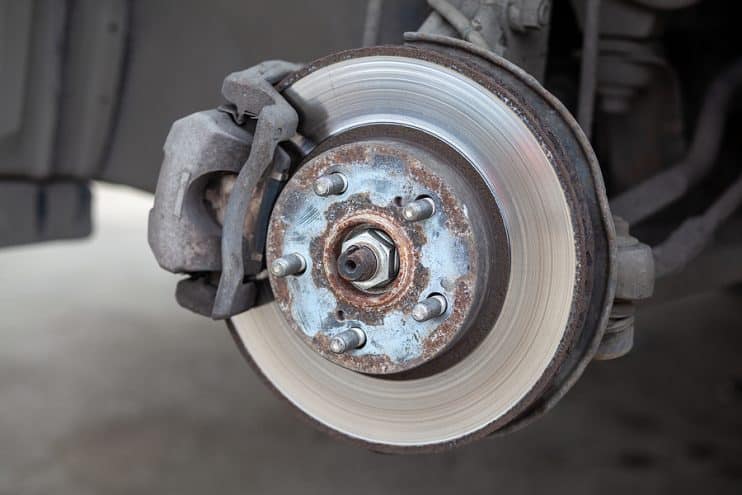
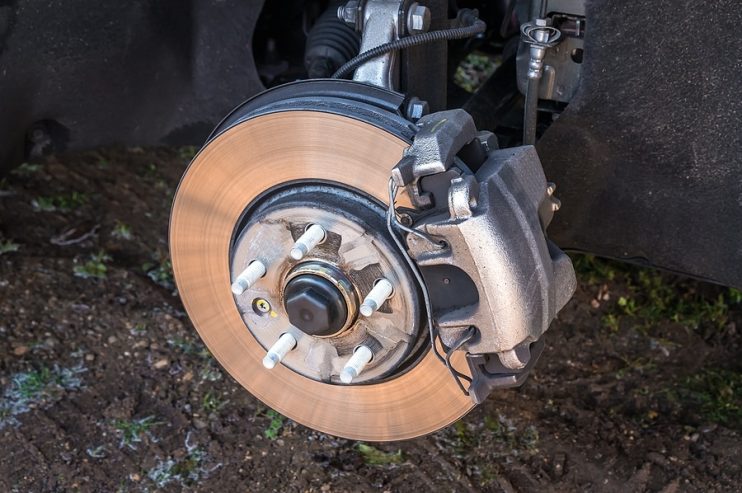
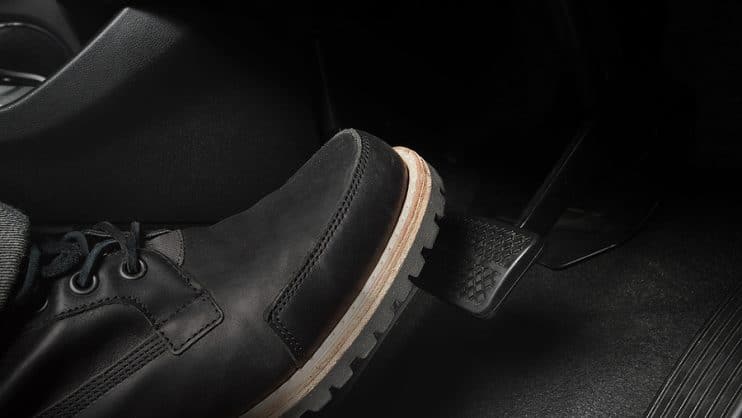
Brake callipers are an essential component of your vehicle’s braking system, alongside brake pads and brake discs. When you push down on your brake pedal, a master cylinder in the engine compartment pressurises the brake fluid, activating a piston. This piston pushes against the brake calliper, which acts as a clamp that squeezes the brake pads against the rotating brake discs.
This pressure produces friction, slowing the wheels’ rotation and allowing them to come to a stop.
- What are the symptoms of a failing brake calliper?
- What causes brake calliper issues?
- Changing a brake calliper
- What happens when a brake calliper fails?
- Can you drive with a bad brake calliper?
- How long do brake callipers last?
- Do I need to replace all four brake callipers at once?
- How much does it cost to replace a brake calliper?
- Is a faulty brake calliper an MOT failure?
What are the symptoms of a failing brake calliper?
Brake callipers are sturdy, simple mechanisms that aren’t subject to as much wear and tear as pads or discs. However, they can sometimes go wrong. Here are the signs and symptoms that may indicate you need to buy new or used brake callipers.
1. Dashboard warning light
If your brake warning lights come on, it’s a sign that something has gone wrong within your car’s braking system. Although it can mean several different issues within the braking system, it could be a sign that the brake callipers are failing.
2. Leaks
If you’ve noticed brake fluid in your engine compartment or around your wheels, this may be a sign that your brake calliper has developed a leak and is draining fluid. Leaks can develop through the bleeder screw or piston seal.
3. Vehicle pulls to one side
Sometimes, callipers can get stuck as they press against the pads and discs. If you have a stuck calliper pulling too hard on one side of the vehicle, you may notice a dragging or pulling sensation when you brake or even when you’re driving. Replacing the stuck calliper should rectify this immediately.
4. Uneven brake pad wear
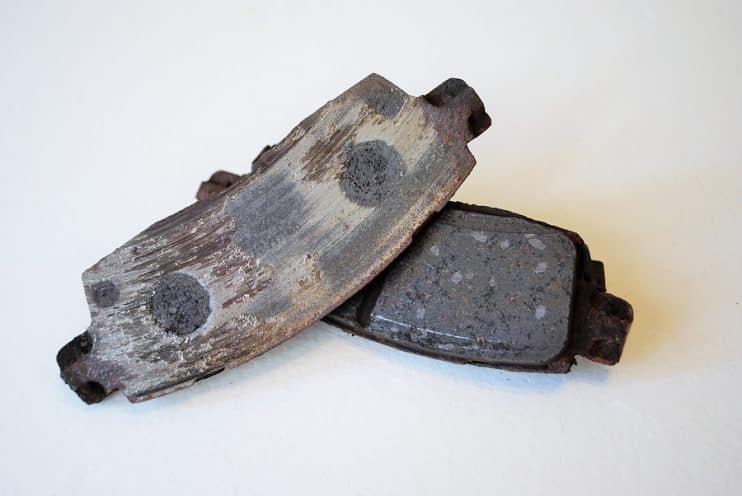
As with pulling to one side, a stuck brake calliper can wear out the brake pad it’s pushing against, leading to uneven wear. It’s always advisable to have all four brake pads replaced, even if only one side is worn. Brake pads should be perfectly aligned with each other to work correctly.
5. Reduced stopping power
A faulty brake calliper will reduce your vehicle’s ability to stop effectively. If it feels like it’s taking more effort to stop, such as you having to pump the brake pedal continuously, get your braking system checked out.
6. Soft, spongy brake pedal
If the brake calliper fails to clamp down properly, your brake pedal may feel soft or spongy when you’re using it. Likewise, a calliper that’s leaking brake fluid can also cause the pedal to feel spongy.
7. Clunking sound
Loose or detached brake callipers can bounce around, causing a clunking or rattling sound that worsens as your vehicle travels over bumps.
8. Squealing
If you have a sticking calliper, it may be continually forcing the brake pads against the brake disc, resulting in a squealing, squeaking or grinding sound.
9. Smells
A stuck calliper can also cause an unpleasant hot brake smell as the friction and heat between the pads and the disc build up, or you may even notice smoke coming from your vehicle.
What causes brake calliper issues?
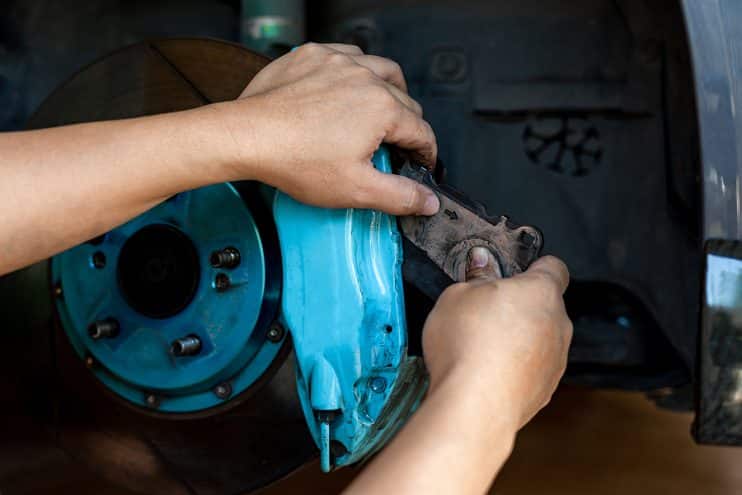
While brake callipers are sturdy components, they are continually subjected to heat, which causes wear and tear. They can also be affected by dirt, brake dust and debris, causing them to stick or eventually fail. Four other components within the braking system can fail, leak or stick, which impacts the brake callipers:
- Brake hose: A worn-out hose may mean that brake fluid only flows one way – toward the callipers. This continual pressure can cause the calliper to stick.
- Calliper slides: Callipers have grooves that secure the brake pads and allow the pads to slide smoothly in and out during braking. If the brake pads seize up due to a lack of lubrication, debris, or dirt, the callipers themselves can become stuck.
- Calliper bolts: Torn rubber boots on the calliper bolts can lead to lubrication loss over time, causing the brake calliper to stick.
- Calliper piston: If the calliper pistons and the calliper housing aren’t well aligned, it could cause the piston to bend during braking.
Regularly checking the condition of your brake discs and pads is a good idea to ensure there are no problems that could indicate a failing calliper or that an existing problem is affecting the callipers. Always replace both brake pad pairs when one pair is unevenly worn, and keep your brake fluid topped up to ensure every component works smoothly.
If you’re not confident about checking your braking system, ask a local mechanic to do it for you. As a rough guide, you should have your braking system checked every 6 months.
Changing a brake calliper
Changing a brake calliper is a fairly simple task for someone with basic mechanical knowledge, but make sure you leave enough time to fully drain and bleed the brake system safely.
Tools you will need
- Spanners
- Brake turning tool
- Socket set
- Jack
- Pliers
- New brake pads
Step 1: Remove the old calliper
Preparation
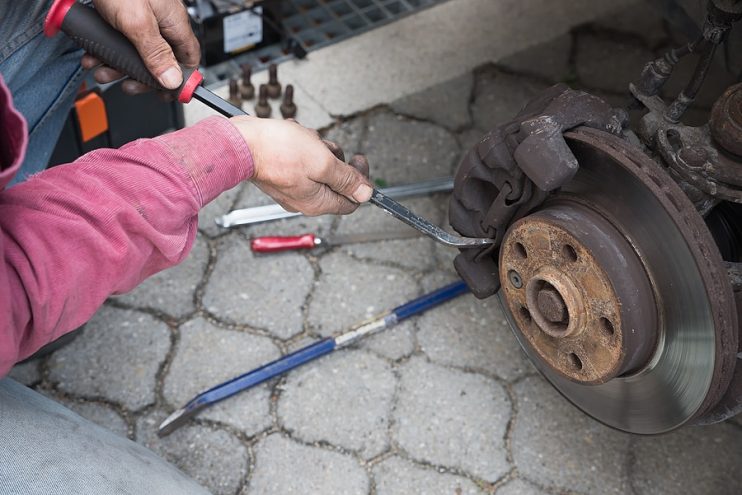
- Loosen the wheel nuts before lifting the car
- Jack up the vehicle as if changing a tyre
- Remove the wheel to access the brake calliper
Disconnect the brake line
- Locate the faulty calliper
- Remove the brake fluid line
- Place the open end into a bowl or suitable container
- Allow the brake fluid to drain safely
Remove the calliper
- Undo all mounting bolts and fixings
- Remove the calliper from the assembly

Step 2: Prepare the new calliper and piston
- Use a brake turning tool to compress the piston on the new calliper
- Continue until the piston is fully compressed and the tool can’t be turned any further
- Once fully compressed, attach the brake line
- Do not fully tighten the brake line yet
Step 3: Fit new brake pads and install the calliper
Brake pads
- Always fit new brake pads with a new calliper
- Do not reuse old brake pads
Install the calliper
- Lightly oil all bolts and fixings
- Position the new calliper on the assembly
- Tighten all mounting bolts securely
Check hose alignment
- Make sure the brake hose isn’t twisted
- Ensure it’s clear of all moving parts
- Once aligned correctly, fully tighten the brake hose
Step 4: Bleed the brakes
- Check that the master cylinder is full of brake fluid
- Attach rubber tubing to the bleeder valve on the calliper
- Ask an assistant to press down on the brake pedal
- Allow air to escape through the bleeder valve
- When no more air comes out:
- Close the valve
- Refill the master cylinder as needed
Step 5: Final checks and test drive
- Reattach the wheel
- Lower the car back onto the ground
- Tighten the wheel nuts fully
- Take the car for a gentle test drive
- Apply the brakes slowly at low speeds to check:
- alignment
- brake response
- overall readiness
What happens when a brake calliper fails?
When a brake calliper fails, it stops applying or releasing pressure properly on the brake pads. That means braking force can become uneven, inconsistent, or reduced altogether.
In real-world terms, a failing calliper can cause:
- one wheel to brake more than the others
- the car to pull to one side under braking
- the brake pads and discs to overheat or wear out quicker
If left unchecked, a seized or leaking calliper can damage brake pads, brake discs, hoses, and even wheel bearings, turning a relatively straightforward repair into a much more expensive one.
Can you drive with a bad brake calliper?
Technically, yes – but you shouldn’t.
If the issue is minor, such as early pad wear or light noise, the car may still feel drivable. However, brake calliper faults tend to worsen quickly, especially as heat builds up.
You should stop driving and investigate if you notice:
- pulling to one side when braking or cruising
- a soft or spongy brake pedal
- burning smells or excessive heat from one wheel
- brake fluid is leaking near a wheel
Driving with a faulty calliper risks further brake damage and compromises your ability to stop safely.
How long do brake callipers last?
Brake callipers are built to last and often survive the lifetime of the vehicle – around 100,000 miles or more in many cases.
That said, callipers can fail earlier due to:
- corrosion from road salt and moisture
- seized calliper slides or bolts
- lack of lubrication during brake servicing
- dirt and brake dust build-up
Regular brake inspections, especially when changing pads or discs, are the best way to spot calliper issues early.
Do I need to replace all four brake callipers at once?
No. Unlike brake pads or discs, callipers don’t need to be replaced as a complete set, although some owners choose to replace callipers in axle pairs for peace of mind. Most of the time, only the faulty calliper needs to be replaced.
Replacing both callipers on the same axle can make sense if:
- your car has high mileage
- corrosion has caused one calliper to seize
- both sides show similar wear or stiffness
Brake pads, however, should always be replaced in pairs on the same axle.

How much does it cost to replace a brake calliper?
Brake calliper replacement costs vary depending on the vehicle, the type of calliper, and whether you’re fitting it yourself.
Here are some rough costs you can expect to pay:
- brake calliper (part only): £50–£200
- garage labour: £100–£300
- typical total: £150–£500 per calliper
Replacing them yourself can significantly reduce your costs, especially if you’re fitting a quality used brake calliper and already have the basic tools.
Is a faulty brake calliper an MOT failure?
Yep – brake calliper problems can lead to an MOT failure.
Common MOT-related calliper issues include:
- uneven braking performance across an axle
- brake fluid leaks
- a seized calliper causing drag or overheating
- poor braking efficiency
Because callipers are a critical safety component, any fault affecting braking control or performance is taken seriously during the MOT.