Blog » How to tell when your vehicle’s brake discs need replacing and how to replace them
How to tell when your vehicle’s brake discs need replacing and how to replace them
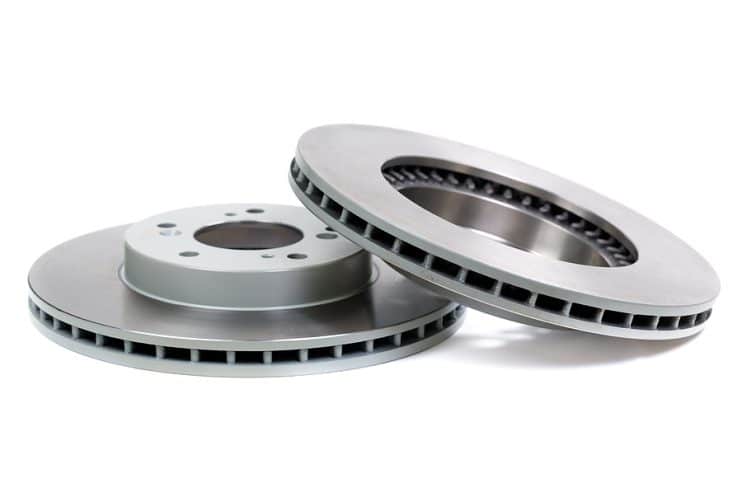
Brake discs play a vital role in making sure your vehicle stops safely. When you press the brake pedal, the brake pads clamp onto the spinning discs, generating friction that converts your car’s kinetic energy into heat, slowing it down.
Knowing the signs and symptoms of worn-out brake discs is essential for maintaining road safety and vehicle performance. In this guide, we’ll explain what brake discs do, how to tell if they’re worn out and what causes them to wear out prematurely.
What do brake discs do?
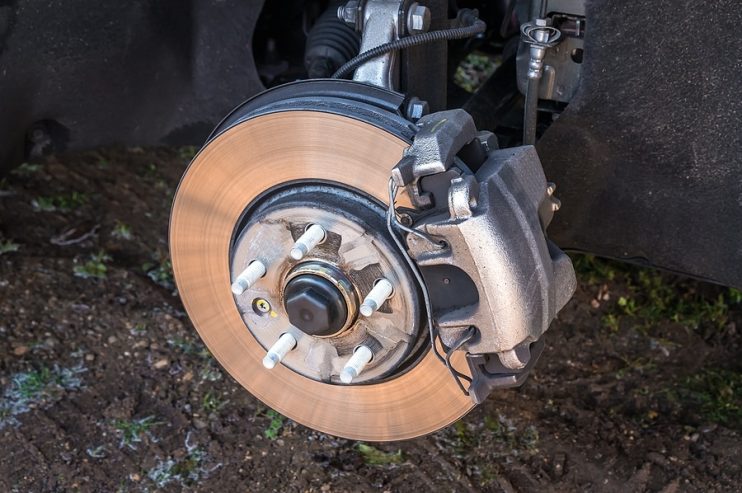
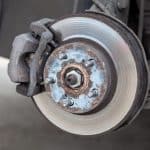
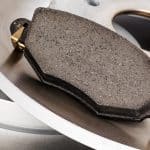
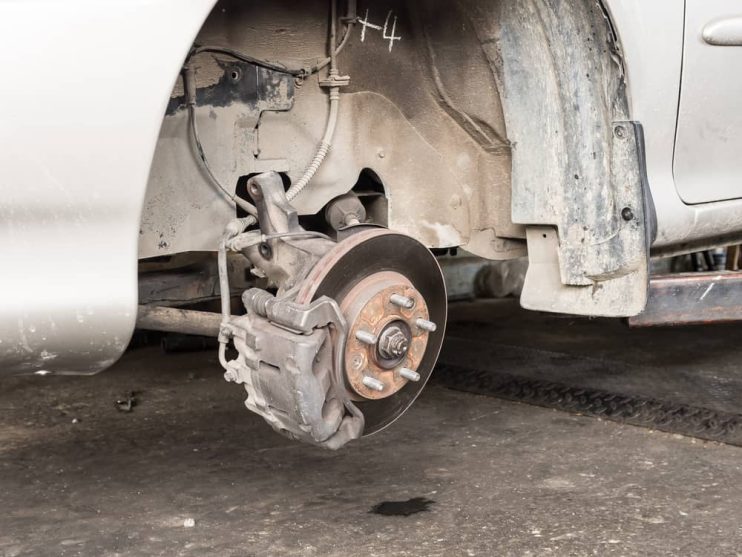
Brake discs and pads work together to slow or stop your vehicle when you apply the brakes. As you press the brake pedal, the brake calliper, which houses the brake pads, activates.
The brake pads clamp onto the brake discs, creating friction that converts your car’s kinetic energy into heat, causing it to decelerate and stop.
How do you know if your brake discs are worn out?
Several signs indicate your brake discs may be wearing out and that you may need to replace them with new or used brake discs:
Dashboard warning light: Most modern vehicles have dashboard warning lights that illuminate when the anti-lock brake system (ABS) detects a problem. An illuminated ABS or brake warning light could mean that there are issues with your brake discs.
Cracks and splits: Check your brake discs for damage, including splits or cracks. These can weaken your brake discs and stop them from dissipating heat, which could even lead to brake failure.
Uneven disc wear: If you notice uneven wear on your car’s brake discs, it could suggest that there are issues with the brake pad alignment or calliper functionality. If you’re not sure, ask a trusted professional to check, as this will prevent further damage to your braking system.
Unusual noises: Squealing, grinding, or scraping during braking can indicate worn brake pads or damaged brake discs. If you notice any unusual noises while braking, you should have them checked straight away. This will ensure your safety and your passengers’ safety and help you avoid more extensive repairs.
Decreased stopping power: If you notice that your car is taking longer to brake or doesn’t stop as efficiently as usual, it could be a sign that your brake discs are nearing the end of their lifespan.
Vibrations: If you feel vibrations or pulsations through the brake pedal or steering wheel when braking, it could be a sign of warped brake discs. Warping is caused by excessive heat buildup during braking, which distorts the disc.
Warping: Warped brake discs will look visibly distorted or uneven. If you don’t have them fixed, they can compromise your vehicle’s braking efficiency and lead to dangerous driving conditions.
Pulsating brake pedal: A pulsating or vibrating brake pedal is often a symptom of warped brake discs. It happens when the brake pads make uneven contact with the warped surface of the brake discs.
What are the causes of brake disc wear?
Like any car component, wear and tear, and damage from driving are two significant factors, but other causes can be the culprit. Here are a handful of reasons why your brake discs may be wearing down earlier than they should be:
Normal wear and tear
Even under normal driving conditions, brake discs experience continuous friction and exposure to high temperatures whenever the brakes are applied. Over time, this constant heating-and-cooling cycle, combined with the abrasive contact between the pads and discs, leads to gradual wear. As the discs wear down, their thickness decreases, reducing their ability to dissipate heat effectively and increasing the risk of warping or cracking.
Rapid braking
When you need to brake suddenly or aggressively, such as in an emergency, the brake pads apply much more pressure and generate greater friction against the discs. This intense friction generates excessive heat in a short period, which the discs may struggle to dissipate quickly enough. Repeated rapid braking can accelerate wear, as high temperatures and pressure remove more material from the disc surface.
Stop-start traffic
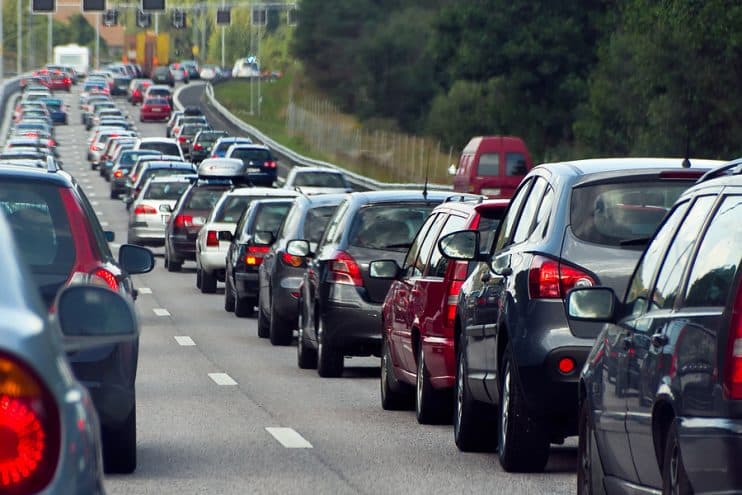
If you live in a city, you likely have to start and stop frequently in heavy traffic. With frequent stops and starts, your vehicle’s brakes are engaged much more often than in motorway or country lane driving. When you brake, the pads clamp onto the discs, generating heat and wear. The constant cycle of braking and releasing causes the discs to undergo more heating and cooling cycles over the same distance, leading to faster wear.
Steep hill
If you’re driving down steep hills, you tend to rely much more heavily on your brakes to control your vehicle’s speed. The long or frequent braking you use to keep to a safe speed downhill generates a lot more heat than usual in the brake discs. This heat will accelerate wear, warping, or even cracking of the discs.
How many miles should brake discs last?
The lifespan of your vehicle’s brake discs can vary quite a lot depending on how you drive, the road conditions where you live or travel, and the quality of your brake discs. On average, brake discs can last anywhere from 30,000 to 70,000 miles. Regular inspections and replacing them when needed are crucial to ensure the best performance and safety on the road.
Should I always replace the brake pads when changing discs?
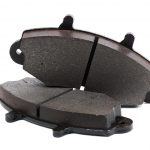
Yes, replacing the brake pads when changing the brake discs is a good idea. Brake pads and discs work together as a system, and worn pads can quickly damage new discs, leading to premature wear. Chances are, if you’re replacing worn brake discs, it’s also worth getting replacement brake pads fitted.
Will my car fail its MoT due to worn brake discs?
This depends on how much material is remaining on your pads. An MoT will check that at least 1.5mm of pad material remains on your brake discs. If there is less than this, it will be a failure on your MoT. If your brake discs are close to this limit, you may get an advisory note to have them replaced as soon as possible.
How can I replace brake discs myself?
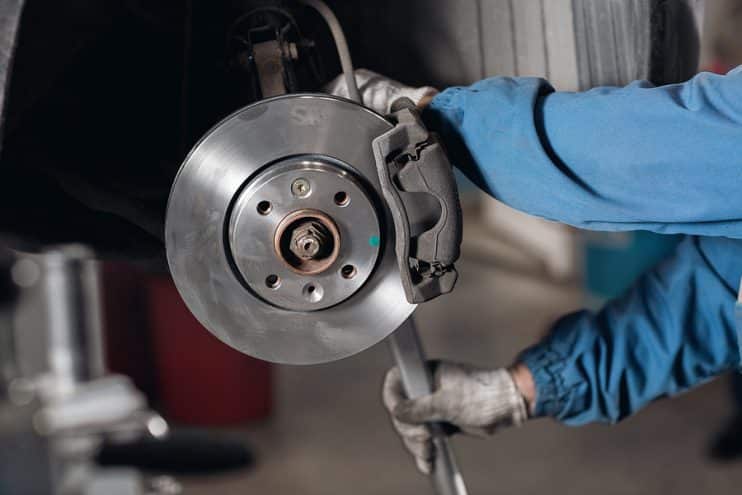
If you’re comfortable doing basic maintenance and have the right tools, replacing brake discs at home is doable. It can also save you a fair bit of money, as garage prices for brake disc replacement can quickly add up once labour is included.
At a garage, brake disc and pad replacement often costs around £200 to £350, including labour, especially on newer or larger cars. If you DIY, you’re usually just paying for the parts, which can be £70 to £150 for discs and pads on most cars.
That said, brakes are a safety-critical part and not a trial-and-error project, so if you’re not confident or you don’t have the right tools, it’s always better to get a professional to do the job.
What you’ll need: Wheel nut spanner, jack and axle stands, socket set or spanner, screwdriver, bungee cord or strong wire, hammer.
Basic steps to replace brake discs:
Loosen the wheel nuts with the car still on the ground
Jack the car up and support it securely on axle stands
Remove the wheel
Unbolt the brake calliper and hang it up so the brake hose isn’t stretched
Remove the brake pads and the calliper carrier
Undo any retaining screws and tap the old disc free
Clean the hub and fit the new brake disc
Refit the carrier, pads and calliper
Refit the wheel, lower the car and torque the wheel nuts
Pump the brake pedal before driving to seat everything properly
If you’re replacing discs, it’s sensible to fit new brake pads at the same time. Old pads can damage new discs very quickly and undo all that money you’ve just spent.
What do new brake discs feel like?
Once everything’s fitted correctly, your new brake discs should feel smooth and consistent. The brake pedal should bite cleanly, with no vibration, pulsation, or noise. If the pedal still feels uneven or the steering wheel shakes when braking, something isn’t right, and it’s worth rechecking the work before driving normally.
Disclaimer: These articles are for guidance purposes only. If you have any questions regarding any matter
relating to your vehicle we would recommend that you seek the advice of an appropriate professional.
We accept no responsibility or liability should you suffer financial or personal damages in
relation to the advice stated on this website.