Blog » What are the signs of a faulty ABS wheel sensor?
What are the signs of a faulty ABS wheel sensor?
If you’re thinking about fitting a new or used ABS wheel sensor, or you’re considering buying a used car and want to know what to watch out for, understanding how this small component affects safety is pretty important.
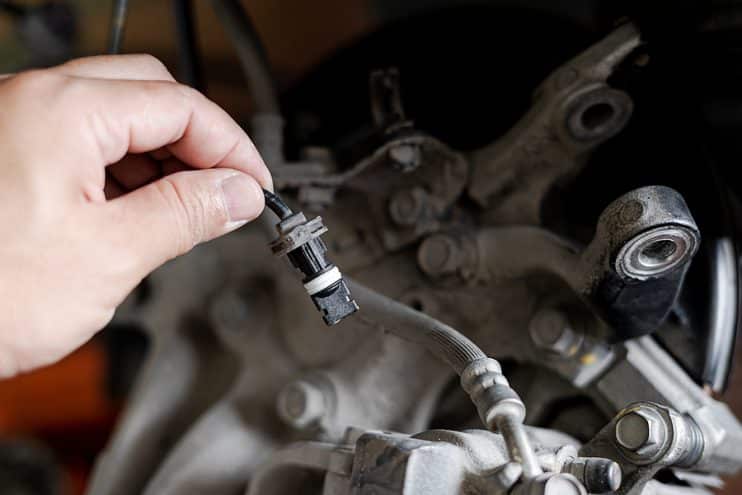
The ABS (anti-lock braking system) wheel sensor keeps track of how fast each wheel on your vehicle is turning and shares the data with the car’s ABS control module. This communication is what keeps your car’s brakes, traction control, and stability systems working properly, and safely, together.
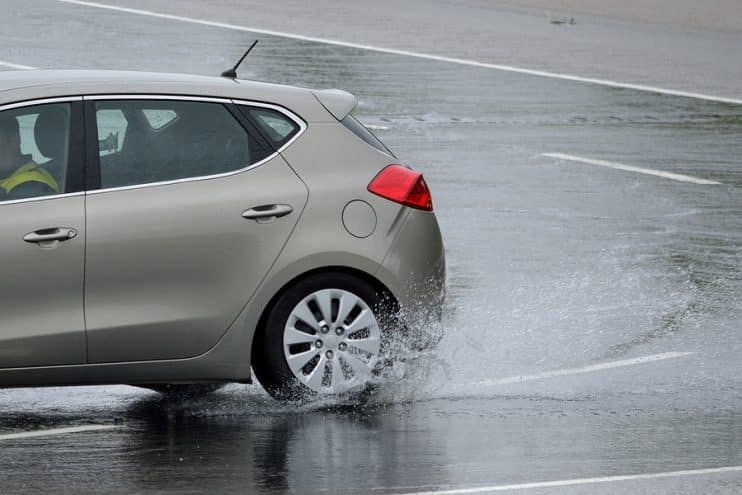
When a wheel sensor starts to fail, you may not lose your basic braking function, but you could lose crucial back-up features that help to keep your car stable during sudden stops at speed or on slippery roads. Spotting telltale early signs of a failing ABS wheel sensor can avoid forking out for costly repairs later on, as well as ensuring you’re safe when you’re out on the road. If you’re in the market for a used car, knowing what symptoms to look for during your test drive can help you avoid taking on hidden problems.
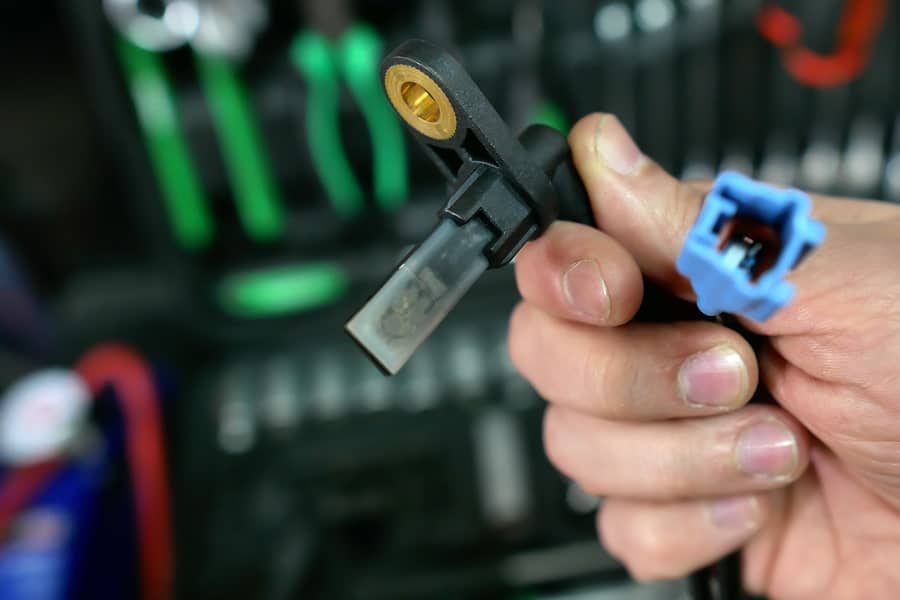
An ABS wheel sensor, or wheel speed sensor, measures the speed of each wheel and feeds this back to the ABS control unit. If the system senses a wheel is about to lock up, it adjusts the brake pressure to keep you in control of the vehicle while you’re stopping.
There are two main types of ABS wheel sensors. If your car is older, particularly if it’s from before the year 2000, it’s more likely to use passive sensors, which tend to have problems at lower speeds. Most modern cars have active sensors, which emit digital signals that are more accurate at lower speeds. Whatever type your vehicle has, the purpose is the same – helping your ABS, traction control, and stability systems keep you safe.
For potential buyers, it’s worth getting peace of mind by asking whether a car’s sensors have been checked or replaced recently. For owners, this means you might not only lose ABS support during braking, but you also risk a reduced grip on slippery roads, less stability in sharp manoeuvres, and inaccurate speed readings – all from just one faulty sensor.
What are the symptoms of a faulty ABS wheel sensor?
Whether you’re test-driving a car before buying or you already own one and you suspect a problem, these are the warning signs of a faulty ABS wheel sensor to look out for:
Dashboard warning lights
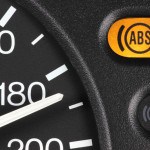
The first clue for most drivers is an illuminated warning light on the dashboard. This could be the ABS light itself, or lights for traction control or stability control. They come on when the car detects that a sensor is no longer sending accurate data. If they stay lit, it’s a sure sign of a problem.
Wheels lock up
If your wheels lock during hard braking, it’s a strong sign that the ABS isn’t functioning as it should be. Without the right input from the sensors, the ABS can’t adjust brake pressure. If you find you’re skidding or the wheels start locking during hard braking, it’s likely there’s a problem with the sensor.
Pulsating brake pedal
A vibrating or pulsating brake pedal is normal when the ABS wheel sensor is functioning correctly, for example, in an emergency stop. But it definitely shouldn’t be happening under normal braking conditions on a dry road. If it does, faulty sensor signals could be to blame.
Spongy or unresponsive brakes
Sometimes, a failing ABS wheel sensor can affect how your brake pedal feels. If yours feels softer than usual, or you find you’re using more effort and pressure to stop the car, it may be a sign that the ABS system is compensating for bad data from the wheel sensor.
Speedometer not working
ABS sensors often share data with the speedometer, so a faulty sensor can cause your speedometer to stop working or show unusual readings. This is a less obvious clue, but it can still be an important sign. If you’re test driving a used car, check that the speedometer reads consistently during your drive.
Traction control and stability issues
Another symptom of a failing ABS wheel sensor is a loss of traction or stability. If the sensor isn’t reporting the wheel speeds properly, the car can’t detect slipping wheels or help you regain control.
Pulling or veering when braking
Inconsistent braking pressure between wheels caused by a faulty sensor can make your car pull to one side when braking. Apart from being unsafe, your tyres are also likely to wear out unevenly, causing more problems with stability and braking and increasing the chance of a blowout.
Longer stopping distances
Finally, one of the most dangerous signs of a faulty ABS wheel sensor is a noticeable increase in your stopping distance. If you find you’re taking longer to stop than usual, the ABS may not be stepping in correctly.
What causes the ABS wheel sensor to fail?
ABS sensors are exposed to multiple tough conditions when out on the road, from heat, dirt and moisture to constant movement. Here are some of the most common causes of damage and eventual failure:
Dirt and debris: Build-up around the sensor can block its signal.
Corrosion: Rust and moisture can damage the wiring or connector.
Physical damage: Stones, potholes, or impact can break the sensor.
Electrical issues: Faulty wiring or poor connections interrupt the signal.
Age and wear: Over time, sensors simply degrade and stop working reliably.
Can I drive with a faulty ABS wheel sensor?
Yes, you can still drive, because the basic brakes work without ABS. But you’ll lose crucial support from ABS, traction control, and stability systems – making your car far less safe in an emergency. If you’re buying, a warning light or faulty sensor is a good reason to negotiate the price or just walk away. If you already own the car, it’s better to look into the issue or book your vehicle into a garage for a closer look by a pro.
What should I do if I suspect a faulty ABS wheel sensor?
This depends on your experience with cars. A confident DIYer may try the following checks, but for most drivers, the safest option is still to let a garage carry out the diagnosis and replacement. That way, you know your brakes, traction control, and stability systems are fully functional and ready for the road.
Still feeling confident you can fix it yourself? If you suspect a fault, start with a diagnostic scan. An OBD2 scanner can read the trouble codes stored in the car’s system and pinpoint which sensor is failing. For example, a P0500 code indicates a problem with the Vehicle Speed Sensor (VSS), which supplies speed data to the car’s computer. This fault could come from a bad sensor, damaged wiring, corroded connectors, or even a malfunctioning ABS control unit.
To narrow it down to a specific wheel, check the live data coming through for all four wheel speed sensors while you’re driving. The faulty sensor will usually show a significantly different speed reading, or even a zero reading, when the others are active. You can also use a multimeter to check the sensor’s resistance or voltage, or even swap the dodgy sensor with a known good one. If the fault code follows the sensor, you’ve found the culprit.
How much does it cost to replace an ABS wheel sensor?
Replacement costs depend on the car. Parts can range from £30 to hundreds of pounds depending on your vehicle and the quality of the parts you’re replacing. Labour costs can also vary, and can be more expensive if the sensor is integrated into the wheel hub. According to Fixter, the average replacement costs could be anywhere between £155 and £450.
Disclaimer: These articles are for guidance purposes only. If you have any questions regarding any matter
relating to your vehicle we would recommend that you seek the advice of an appropriate professional.
We accept no responsibility or liability should you suffer financial or personal damages in
relation to the advice stated on this website.