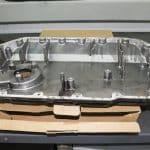


Spotting the oil warning light on your dashboard can be unsettling, and with good reason. Low oil levels from leaks, a faulty oil pump or a clogged filter can cause harm to your engine, sometimes resulting in costly repairs and, in extreme cases, a full replacement engine. In some situations, related damage can also leave you needing a replacement oil sump.
Oil is a crucial component that keeps everything inside your engine cool, lubricated and moving freely. Take it away, and the metal components inside start grinding, overheating and wearing out far faster than you’d expect.
Table of contents:
- So what exactly does the oil warning light mean, and why does it come on?
- Why is my oil light on?
- How can I fix an oil pressure warning light issue?
- Is it safe to drive with the oil warning light illuminated?
- How much does it cost to replace an oil pressure sensor?
So what exactly does the oil warning light mean, and why does it come on?
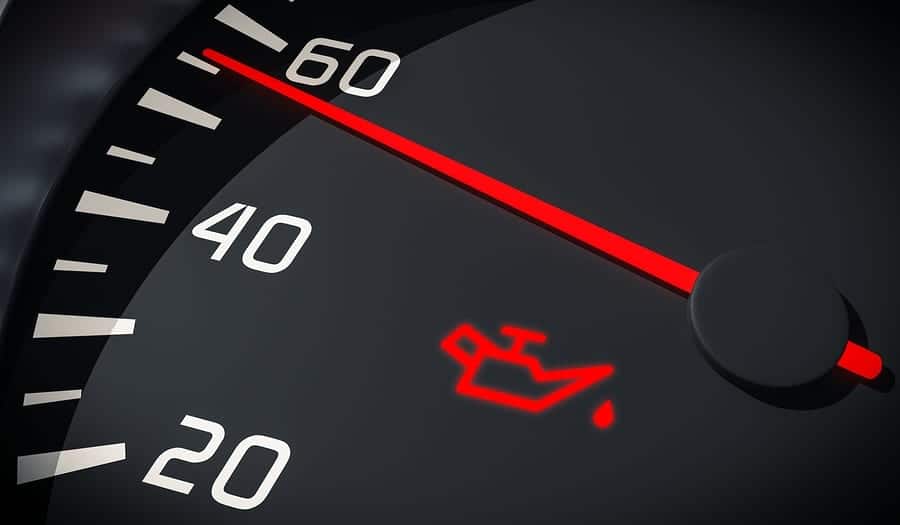
The oil warning light is your engine’s way of alerting you to the fact that something isn’t right with your lubrication system. There are two standard versions: a yellow oil light and a red one.
A yellow oil light usually suggests a minor issue. It’s typically a low oil level or an alert that the system needs to be checked soon. A red oil light is far more urgent. It means the oil pressure has dropped to a dangerous level or the system isn’t circulating oil properly. If it’s red, stop the car as soon as it’s safe to do so and call for help. It’s not something to ignore and keep driving until you get home or to a garage. Even a small problem can escalate very quickly to a dangerous issue.
Why is my oil light on?
There are plenty of reasons your oil warning light might be illuminated. Some are simple fixes; others might take more digging.
Here are the most common causes:
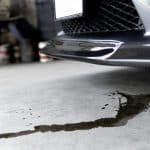
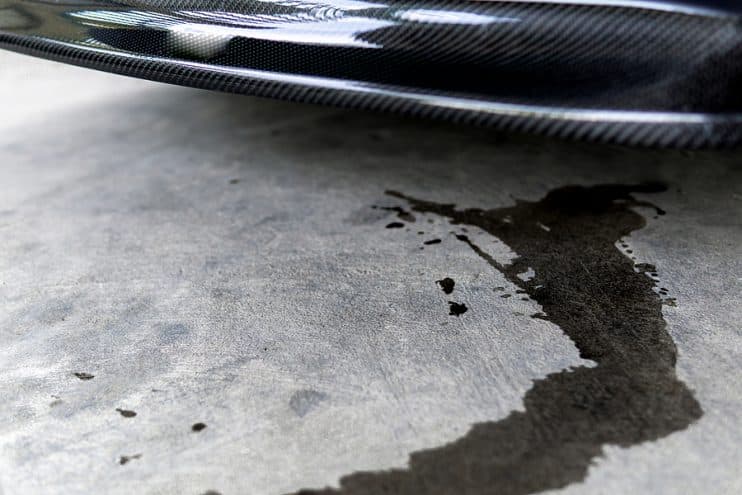
- Oil leaks: If your oil pressure drops, the light will come on to warn you. Leaks from the oil sump, oil filter housing or seals are common causes. If the pressure gets too low, oil won’t circulate properly, and your engine can overheat or seize up completely.
- Oil level too low or high: Oil levels need to sit in a sweet spot. If they’re too low, the engine isn’t lubricated enough. Too high and the oil can foam or put excess strain on the seals, causing leaks and pressure issues.
- Faulty oil pump: The oil pump circulates oil around the engine. When it starts to fail, pressure can drop sharply. This is one of the more serious causes and usually needs immediate attention.
- Faulty oil sensor or pressure gauge: Sometimes the problem isn’t the oil at all – it’s the sensor. A bad pressure switch or faulty gauge can give a false warning, although it’s always best to assume the light is real until proven otherwise.
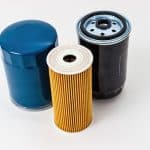
- Clogged filter: If your oil filter is blocked, it can restrict flow and drop pressure. It can be more common if you’ve left it too long between services, or if the oil has degraded and become sludgy.
- Engine overheating: When the engine gets too hot, the oil can thin out, lose pressure and stop protecting the internal components. Overheating and oil warnings often go hand in hand.
- Wrong engine oil: Using the wrong type of engine oil can affect how it flows through your engine. Too thick and it’ll struggle to circulate when cold; too thin and it won’t maintain pressure when hot.
- Electrical issues: Damaged wiring, loose connectors or faults in the car’s ECU can all trigger the oil light unexpectedly. Again, it’s always better to check the oil before assuming it’s an electrical gremlin.
How can I fix an oil pressure warning light issue?
If your light comes on, stop driving when it’s safe to do so. Here are the first things to check, as it may help you identify the problem before anything serious happens.
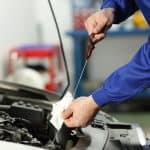
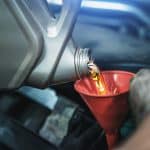
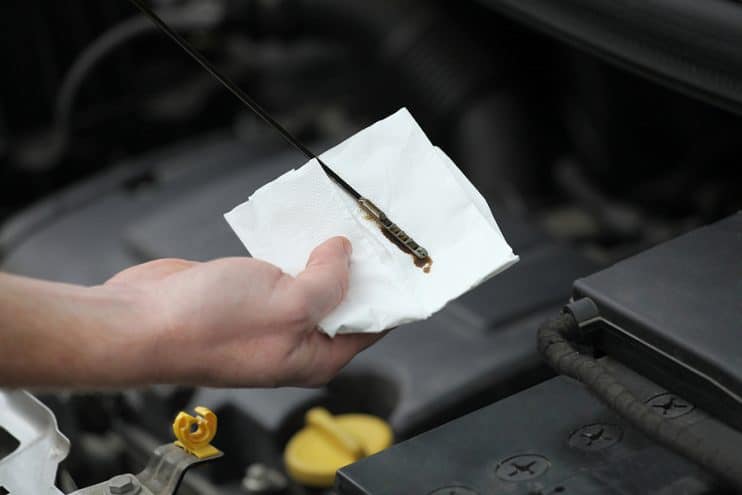
- Check the oil level: Pull over when it’s safe, switch off your engine and check your dipstick. If the oil level is below the minimum mark, top it up slowly and see if the light turns off. Running low on oil can cause rapid engine wear.
- Inspect for leaks: Have a quick look under your car and around the engine bay. Classic signs of a leak are fresh oil spots on the ground, oily residue on the sump, or damp patches around the seals. Small leaks can turn into big leaks quickly, so don’t ignore them.
- Check oil condition: If the oil is dark or gritty or you notice a burning smell, it may not be doing its job properly. Sludgy oil can clog filters and reduce pressure, triggering that dreaded warning light. Changing the oil could solve the issue straight away.
- Replace the oil filter: A blocked or damaged filter reduces flow and lowers pressure. Replacing it is a cheap, quick fix and often part of a standard service. If your filter hasn’t been changed for a while, it’s a likely suspect.
- Consult a mechanic: If you’ve checked the basics and the light is still on, get it looked at by a pro. Your mechanic can test oil pressure, inspect the pump and check for deeper problems. Leaving it too long risks more expensive damage.
Is it safe to drive with the oil warning light illuminated?
In most cases: no. Driving with the oil light on can cause severe engine damage in minutes. Low pressure means your engine isn’t getting the lubrication it needs, which can lead to overheating, worn bearings, piston damage and even complete engine failure.
If the light comes on red, stop as soon as it’s safe. A short journey home or to the garage might be tempting, but the risk of turning a simple repair into a full replacement oil sump or even a replacement engine just isn’t worth it.
If it’s a yellow indicator and you’ve checked the oil level, you may be able to continue cautiously – but only after confirming there’s enough oil and there are no obvious leaks.
How much does it cost to replace an oil pressure sensor?
The cost of replacing an oil pressure sensor varies depending on your car, but for most vehicles it sits somewhere between £60 and £150, including parts and labour. The sensor itself is usually fairly cheap. It’s the position of the sensor and the time it takes to access it that makes the final bill more expensive.
If the sensor is easy to reach, the job can take as little as 20 minutes. On some models, however, it’s buried behind other components, which increases the cost. Having said all that, replacing the sensor is far cheaper than ignoring the warning light and risking major engine damage. So get it checked out.