Blog » Why is my ABS warning light coming on, and what should I do about it?
Why is my ABS warning light coming on, and what should I do about it?
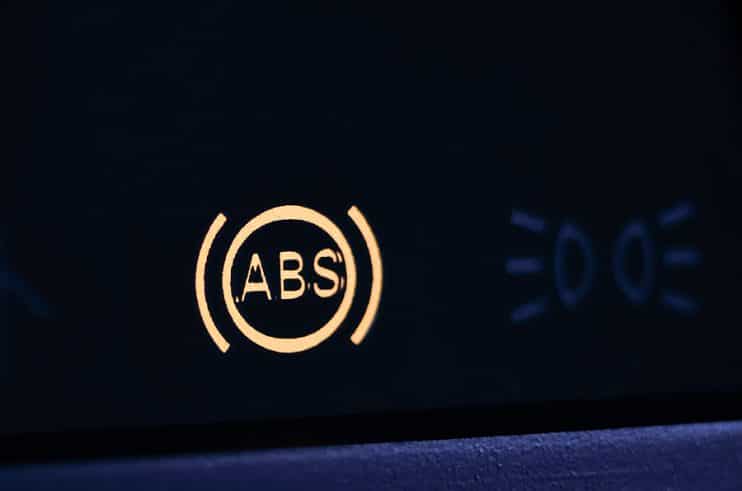
If you’re out driving and the ABS warning light suddenly appears on the dashboard, it usually means that something‘s not working properly within your anti-lock braking system. Sure, you can still drive the car, but there’s a risk your wheels could lock under heavy braking, reducing your level of control in an emergency stop or slippery conditions.
An illuminated ABS light doesn’t mean your brakes will fail, but you do need to get the system checked out. An ABS warning light that appears during an MOT is likely to result in a fail, so it’s worth checking and fixing it as soon as possible.
Some ABS issues can be resolved with a quick fix, while others might mean you need a replacement ABS wheel sensor or pump, which can be a more expensive outlay.
ABS stands for anti-lock braking system. It’s designed to stop your wheels from locking up when you brake hard, especially on wet, icy, or loose surfaces. Since 2004, ABS has been mandatory on all new vehicles in the UK, so it’s a part of your car’s safety system you can’t ignore.
The ABS uses sensors at each wheel to monitor its rotation. If a wheel starts to lock, the ABS rapidly applies and releases braking pressure (up to 15 times a second) so that the tyre keeps turning and gripping the road. This helps you to steer while slowing down, which in turn reduces the risk of skidding or losing control of your car.
When ABS activates in an emergency stop, you’ll usually feel a fast pulsing or vibration through the brake pedal as that rapid braking pressure is applied and released. You might even feel as if the pedal is pushing back towards your foot, but it’s completely normal. It means the ABS is working to maintain that all-important traction and steering control.
What can cause the ABS light to come on?
The ABS warning light usually appears when the system detects a fault. Sometimes it stays on constantly, and other times it may come on while driving. Here are some of the most common causes that trigger the ABS light to illuminate:
Low brake fluid levels
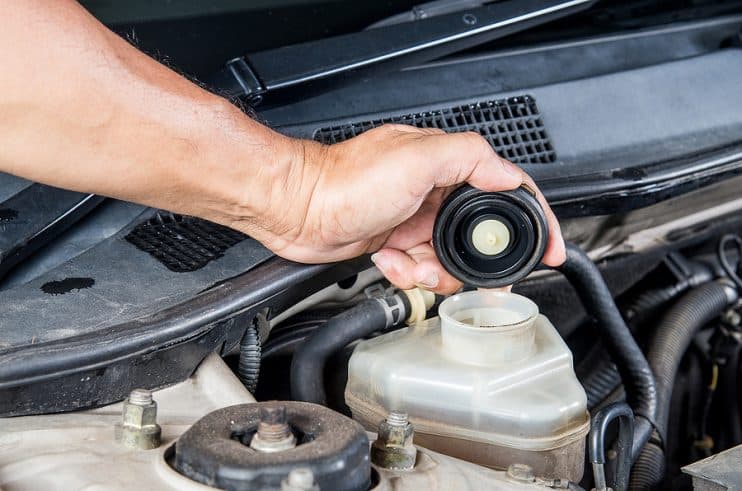
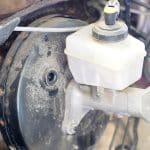
Low brake fluid is one of the most common triggers for the ABS warning light. The entire braking system needs sufficient fluid to operate smoothly. Let levels get too low, and the reservoir sensors might turn on the warning light as a precaution.
Possible causes
A small leak somewhere in the braking system
Fluid levels falling as brake pads wear
Air entering the system after incomplete bleeding
Solution
Check the brake fluid reservoir first and top it up if needed. If the level keeps dropping, get the system inspected for leaks or worn-out components.
Blown ABS Fuse
A blown fuse can stop the ABS system from working simply by cutting the power, triggering that warning light.
Possible causes
Corrosion in connectors or fuse boxes
Damage to wiring or electrical faults
Solution
A good first step is to check the fuse box and replace a blown fuse if you find one. If the fuse isn’t the issue, or a replaced fuse blows again, your wiring probably needs a deeper inspection.
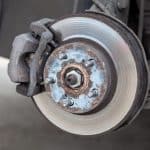
Faulty ABS wheel speed sensor
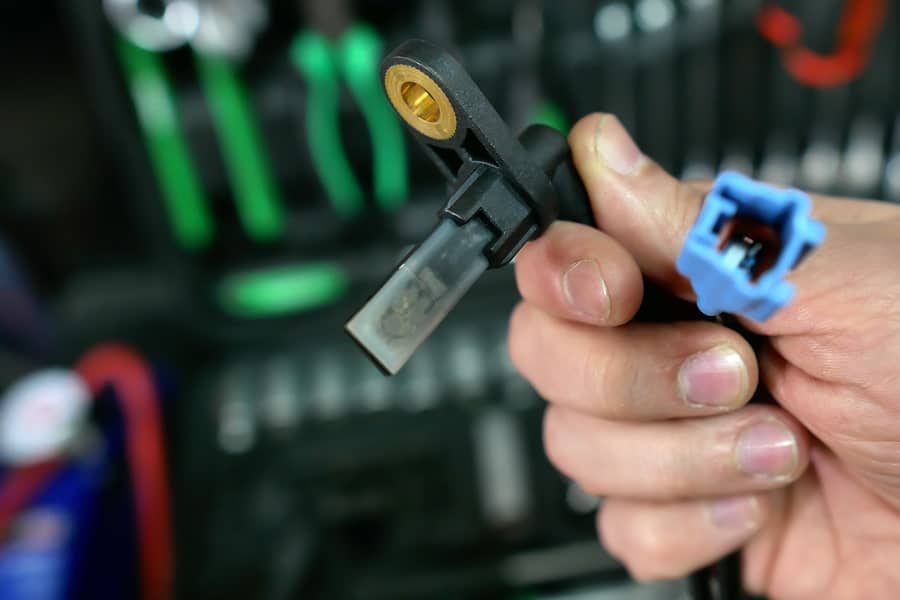
Each wheel has a sensor that monitors its rotational speed and sends that info back to the ABS. If one of these stops working properly, the system can’t track wheel movement, and the warning light may come on.
Possible causes
Dirt or debris covering the sensor
Corroded or damaged wiring
Internal failure of the sensor itself
Solution
Sometimes the sensor will just need cleaning or reconnecting, but if it’s faulty, it might need to be replaced with a new or used ABS sensor.
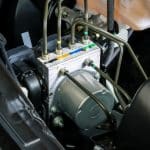
Malfunctioning ABS control module
The ABS control module acts as the system’s control unit, taking info from the wheel sensors and adjusting the brake pressure to stop the wheels from locking up. If it’s malfunctioning, the process can’t work as well as it needs to.
Possible causes
Internal electronic faults in the module
Communication problems between the module and sensors
Solution
A diagnostic scan can confirm whether the problem lies with the module and whether it needs to be repaired or replaced.
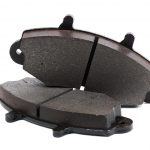
Worn brake pads or other brake problems
Even though ABS is a separate system, it still works alongside the rest of your brakes. If parts of the braking system are worn out, it can sometimes trigger warning lights.
Air in the brake lines or other brake system problems
Solution
A proper brake inspection will usually reveal the problem and replacing any worn components normally restores everything back to normal.
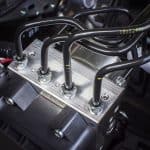
Hydraulic pump problems
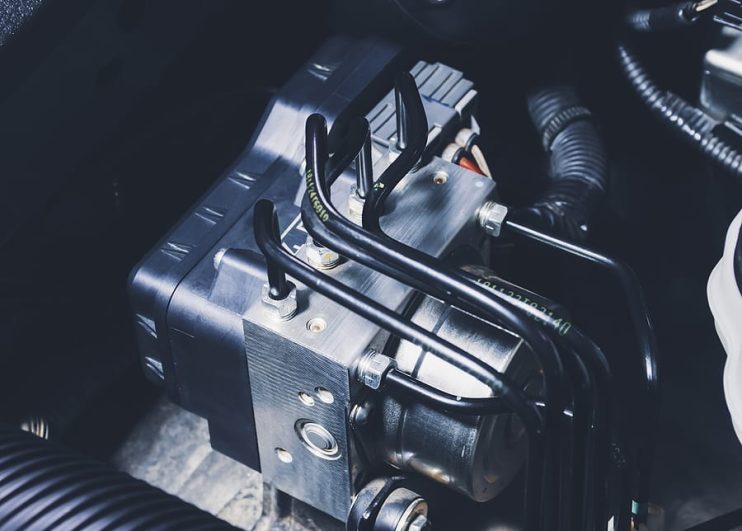
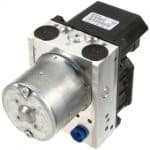
The hydraulic pump helps control brake pressure when the system activates. If the pump or valves stop working properly, the ABS can shut down entirely.
Possible causes
Failure of the ABS hydraulic pump
Faulty pressure control valves in the system
Solution
You might need to replace it with a new or used ABS pump if it can’t be repaired.
Wheel alignment or tyre issues
Sometimes the ABS light can be triggered by problems with tyres or wheel alignment that are interfering with wheel speed readings from the sensors.
Possible causes
Uneven tyre sizes or excessive wear
Poor wheel alignment
Solution
Checking your tyre condition and alignment can help rule out any issues that might be affecting the readings.
ABS system is off
In some vehicles, the ABS can actually be switched off manually or automatically if the car detects a fault. If this happens, the warning light can appear.
Possible causes
ABS is manually disabled in vehicle settings
System is deactivating itself due to a detected fault
Solution
Check your vehicle settings or owner’s manual to see if you can work out whether the system has been switched off.
How much does it cost to fix an ABS problem, and how long should the parts last?
ABS are designed to last a long time, but like most electrical and braking systems, components can eventually fail due to wear, corrosion, or faults.
One of the most common failures is the wheel speed sensor. It wears out more quickly because it sits close to the wheel and gets exposed to all the dirt, water, and debris the road can throw at it. Replacing a wheel speed sensor can cost around £100, including parts and labour.
Other parts, like the control module or hydraulic pump, should last the lifetime of your vehicle. But if they do fail, they can be much more expensive to repair or replace, depending on your make and model. For a replacement ABS pump, for example, expect to pay at least a few hundred pounds for a used part and potentially £2k-£3k for new, more advanced units.
Disclaimer: These articles are for guidance purposes only. If you have any questions regarding any matter
relating to your vehicle we would recommend that you seek the advice of an appropriate professional.
We accept no responsibility or liability should you suffer financial or personal damages in
relation to the advice stated on this website.