Blog » Common problems and issues Volvo V60 buyers should know
Common problems and issues Volvo V60 buyers should know
While the Volvo V60 is a well-built, comfortable estate, some used examples suffer from diesel engine oil leaks linked to EGR faults, automatic gearbox hesitation, and electrical issues with the infotainment and safety systems, with certain build years more affected than others. Knowing what to check for will help you avoid expensive surprises and decide whether your used car is worth the seller’s asking price. Or if you’re mechanically minded, you can fix the issues with new or used Volvo V60 parts and grab yourself a bargain.
What are the most common problems with the Volvo V60?
Most are pretty reliable, but there are some common problems you should check for if you’re test-driving a used V60 and you want to be sure of a dependable motor.
Engine and transmission
Automatic gearbox
Some Volvo V60 automatics can feel hesitant, especially if you’re pulling away, changing up at low speeds, or creeping in traffic. Owners tend to report delayed gear selection and jerky changes, typically appearing somewhere between 60,000 and 100,000 miles. If you’re doing a test drive, look for a smoothly shifting gearbox with no jolts or long pauses.
If the gearbox feels off, pass on the motor unless you see a clear history of proper servicing. A replacement Volvo V60 gearbox can be a costly repair, quickly wiping out any savings you might make on the purchase price.
Engine fire risk
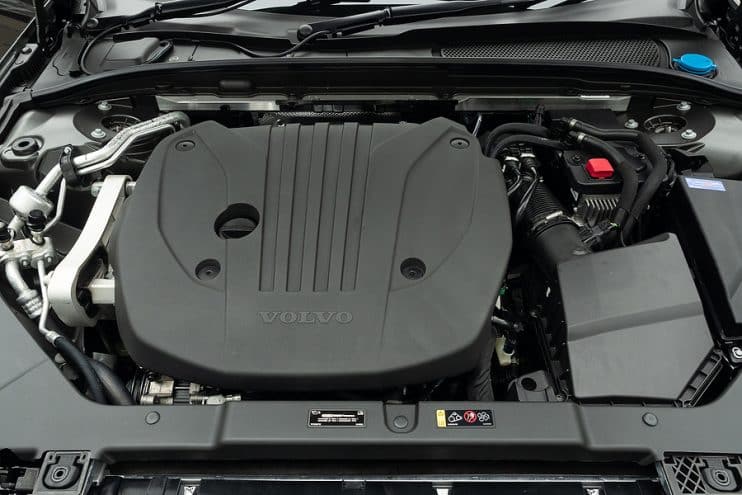
Certain 2.0-litre diesel V60s have been recalled because of fuel or coolant leaks. For example, some five-cylinder engines have experienced problems due to incorrect installation of high-pressure fuel lines, while engines built between 1 July 2010 and 20 April 2015 were found to develop coolant leaks. Both of these can increase the risk of engine bay fires.
Warning signs to look out for include fuel smells, engine warning lights, hesitation, or visible leaks. Always check that any recall work has been completed before you commit to buying, and avoid any car showing overheating issues or persistent warning lights, as a replacement Volvo V60 engine is never a cheap fix.
Diesel DPF problems
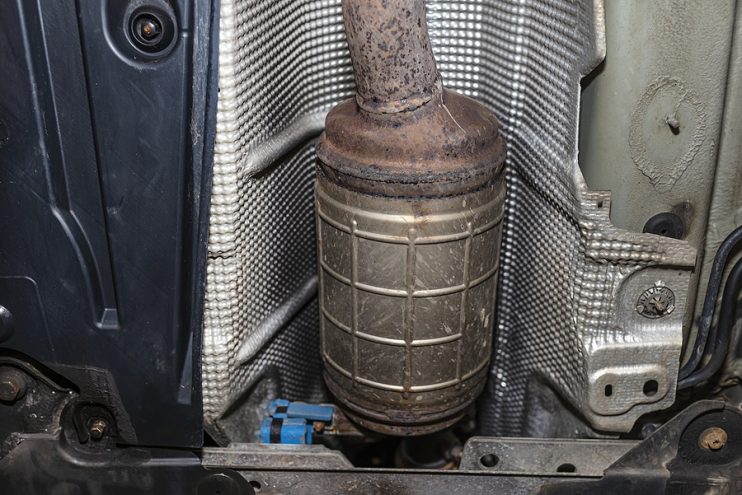
Diesel V60s can also suffer from DPF blockages, particularly if they’re used mainly for short trips. Look out for reduced power, poor fuel economy, and dashboard warning lights. These problems are more common on higher mileage cars that haven’t had regular motorway runs; if the seller can’t provide evidence of proper maintenance, be extra cautious.
Leaking fuel lines
Fuel hose faults have dogged models built between April 2015 and March 2016, so look out for fuel smells, damp patches in the engine bay, or fuel-related warning lights, and always check the paperwork to confirm any recall work has been done.
Steering and suspension
Emergency braking and handbrake
Some cars built after January 2019 have had automatic emergency braking issues. These can usually be fixed with a software update, so if you’re viewing a later model, confirm this update has been carried out.
Electronic handbrake problems can also happen and cause sticking, clicking noises, or warning lights. Test all brakes several times during your test drive and make sure they apply and release cleanly, especially on a slope.
Suspension wear
Suspension issues tend to show up as knocking noises, vague steering, or uneven tyre wear. Some cars built between September 2018 and April 2019 have been recalled for rear suspension faults, so always be sure to check the car’s history carefully.
Interior and exterior
Boot and tailgate
Electric tailgate faults are more common on 2019 models and onwards. Problems include jerky movement, failure to open or close fully, or stopping partway through the mechanism. During your inspection, test the tailgate multiple times and listen out for any noises that suggest straining.
Infotainment
Infotainment problems include freezing screens, laggy responses, Bluetooth dropouts, and the navigation cutting out. Most of these issues just need a software update, but to save yourself the headache, test every function during your viewing and test drive.
Air conditioning
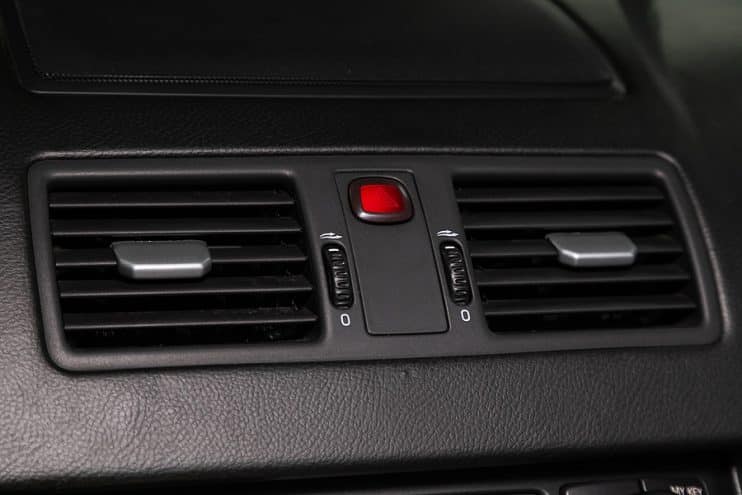
Air conditioning faults tend to be more common on older V60s. Weak cooling, dashboard clicking noises, or inconsistent airflow may be a sign of worn-out components rather than a need for a simple re-gas. Make sure the aircon blows properly cold during your test drive.
Is the Volvo V60 reliable?
Overall, the Volvo V60 has a pretty solid reliability record, provided that any known weak points have been addressed. A well-maintained car with a full service history and completed recall work can comfortably cover 150,000 miles or more. Problems arise when servicing is skipped or when diesel models are used mainly for short journeys.
Which Volvo V60 year is best?
Based on known issues and recall patterns, later models with confirmed updates are generally your safest bet. So for most buyers, the best Volvo models to go for are 2017 to early 2019 cars, provided they have:
A full service history
Proof that all recalls and software updates have been completed
No signs of diesel DPF trouble from short-journey use
These years tend to benefit from having earlier issues being ironed out, without picking up some of the newer software-related faults seen on later cars.
If you’re buying a diesel, look for one that’s clearly been used for longer journeys rather than short city runs.
Volvo V60 years to avoid
There isn’t a single bad year to out-and-out pass on, but some build periods do need extra care and attention when it comes to purchasing:
2015 to 2016 models: Check carefully for fuel line and safety recall work, especially if there’s any evidence of fuel smells or warning lights.
Early diesel models: These have a higher risk of DPF problems if the car has mainly done short trips.
Post-January 2019 cars: Make sure any emergency braking software updates have been carried out.
2019 onwards models: Electric tailgate faults tend to be more common here, so powered boots need close inspection.
Volvo V60 parts and ownership costs
Whether a used Volvo V60 is cheap or expensive to own largely depends on engine type, age, and maintenance history. Well serviced, lower power models tend to be relatively affordable, while higher output engines, automatics and poorly maintained cars can become money pits once faults appear.
However, Volvo parts aren’t hard to come by, so if you do need to replace an engine or gearbox, or any other part, you shouldn’t have any trouble tracking one down.
Disclaimer: These articles are for guidance purposes only. If you have any questions regarding any matter
relating to your vehicle we would recommend that you seek the advice of an appropriate professional.
We accept no responsibility or liability should you suffer financial or personal damages in
relation to the advice stated on this website.