


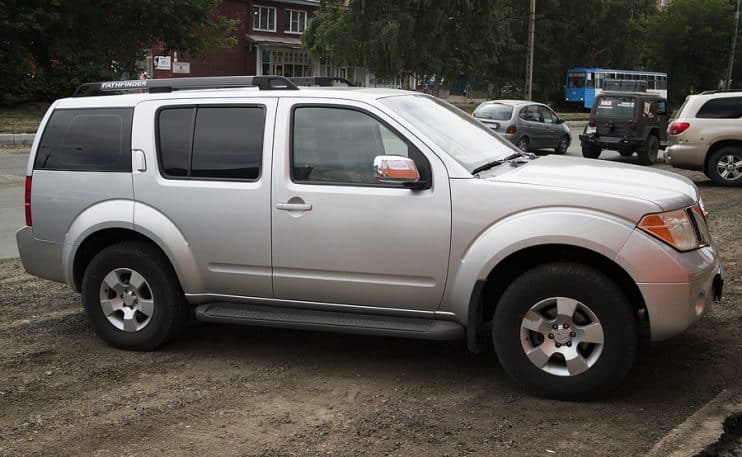
The Nissan Pathfinder has been around for decades and has built a solid reputation as a practical, family-friendly SUV. It offers plenty of space, decent towing ability and, on the used market, often looks like good value compared with rivals.
That said, not all Pathfinder years are created equal. Some generations are known for specific engine, gearbox and electrical issues that are well worth knowing about before you buy, such as timing chain problems on certain engines, transmission failures on mid-2000s models and electrical faults on later cars. Here’s a clear, no-nonsense look at the most common Nissan Pathfinder problems, and which years you might want to approach with caution.
Contents:
- What are the most common faults with the Nissan Pathfinder?
- What to consider when buying a used Nissan Pathfinder
- Best years to buy and years to avoid with the Nissan Pathfinder
- How does the Nissan Pathfinder compare to the Toyota Highlander?
- Is the Nissan Pathfinder expensive to maintain?
- Is the Nissan Pathfinder reliable?
What are the most common faults with the Nissan Pathfinder?
Most Pathfinder issues fall into a few familiar areas: engine and powertrain problems, electrical faults, and general wear-and-tear items that show up as the mileage increases. Some problems are linked to specific years or generations, which is why checking the exact model year matters so much.
Engine and powertrain problems
Timing chain issues
Timing chain problems have been reported on several Nissan Pathfinder engines, particularly on 2006 models and later 2013–2016 Pathfinders. Owners often notice a rattling noise when idling, rough running or hesitation when accelerating. If left unchecked, a worn timing chain or guide can lead to serious engine damage and an expensive repair job.
If you’re buying used, listen carefully on cold starts and check for evidence of timing chain work.
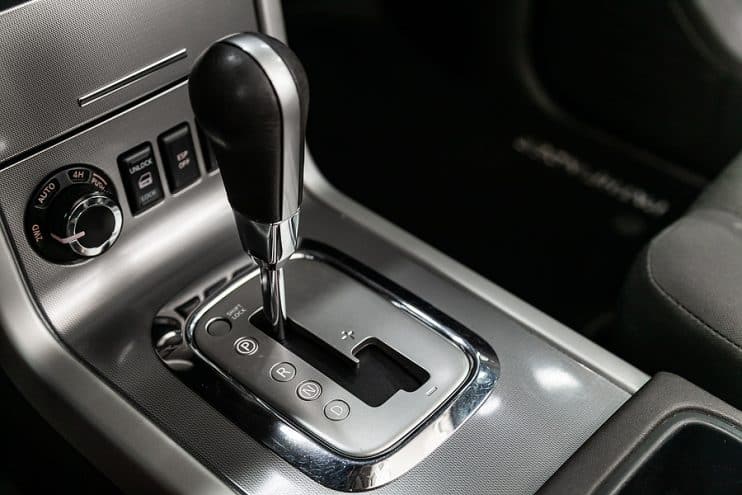
Gearbox and transmission
One of the most well-known problems with Nissan Pathfinder gearboxes affects 2005–2007 models, with many experts advising exercising caution up to as late as 2010. These Pathfinders can suffer from coolant leaking into the transmission via the radiator, creating the so-called ‘strawberry milkshake’ mixture.
Once this happens, gearbox damage is often severe. Symptoms include slipping gears, harsh shifting and eventual transmission failure. This is a big reason these years are frequently listed as ones to avoid.
CVT gearbox problems
Later Pathfinders fitted with continuously variable transmission (CVT) gearboxes are also known troublemakers. The worst complaints tend to centre on models from 2013, with issues continuing into 2014–2016 in smaller numbers.
Drivers report shuddering during acceleration, hesitation when pulling away, overheating and loss of drive. Even when repaired, some CVTs develop repeated problems over time.
Engine running issues
Across various years, but particularly affecting 1999–2013 models, owners have reported engine knocking, rattling at idle, misfires, stalling and occasional no-start problems. These issues can be linked to ignition components, timing chain wear or general engine age.
Individually, some of these faults are manageable. But on higher-mileage vehicles, multiple issues can stack up, making engine condition and service history especially important to check when buying a used Pathfinder.
Electrical problems
Fuel level and gauge issues
Fuel gauge problems are surprisingly common and affect a wide range of Pathfinders from 1994 through to 2016. Drivers report erratic readings or gauges showing empty when there’s still fuel in the tank. The usual culprit is a faulty fuel level sensor.
While not dangerous, it’s inconvenient and something to factor into ownership costs.
Heating, air conditioning and climate control
Climate-control faults are most common on 2015 Pathfinders, with reports of air conditioning or heating systems failing altogether. This can be down to faulty compressors, control modules or blower motors.
It’s worth checking that hot and cold air work properly on a test drive, especially if you’re buying a higher-spec model with dual-zone climate control.
Headlights and exterior lighting
Some Pathfinders experience headlight failures due to faulty switches or wiring issues. Problems range from one headlight going out to a complete loss of exterior lighting, which can be an MOT failure if not fixed promptly.
Dash, infotainment and radio
Later models, particularly 2017 Pathfinders, have seen complaints about infotainment and navigation systems freezing, lagging or failing altogether. Often this is software-related, but replacement units can be costly.
Other common Nissan Pathfinder issues
Suspension problems
Suspension wear is fairly common, especially on older and higher-mileage Pathfinders. Knocking noises over bumps, clunking from the front end when cornering and uneven ride height are all reported issues. These are usually down to worn bushes, springs or steering stops.
Power steering noise
A whining noise from the power steering is often linked to low fluid levels or a failing power steering pump. This tends to show up as vehicles age, rather than being tied to a specific year.
Brake issues
Some owners report a loose or spongy brake pedal, brake shudder or longer stopping distances. These are often down to worn brake components, such as discs, pads and callipers, or air in the brake lines and are usually straightforward to fix — but still worth checking before you buy.
What to consider when buying a used Nissan Pathfinder
Service history really matters with the Pathfinder. A well-maintained example can be a reliable family SUV, while a neglected one can quickly become an expensive moneypit.
Always check:
- Gearbox behaviour on a test drive
- Any signs of coolant or transmission issues
- Warning lights on the dashboard
- Smooth engine starting and idling
- Evidence of regular servicing
If possible, have the vehicle inspected before buying, especially if you’re looking at older or CVT-equipped models.
Best years to buy and years to avoid with the Nissan Pathfinder
If you’re looking to avoid the biggest headaches, it’s generally wise to steer clear of 2005–2007 Pathfinders, and many buyers also avoid 2005–2010 models altogether due to transmission risks.
The 2013 Pathfinder also attracts a high number of complaints, mainly linked to CVT gearbox problems.
On the flip side, later models such as the 2015 and 2017 Pathfinders tend to receive fewer serious complaints and are often seen as safer used buys, provided they’ve been properly looked after.
How does the Nissan Pathfinder compare to the Toyota Highlander?
The Toyota Highlander is often mentioned alongside the Pathfinder, and the two share a similar family-SUV appeal. The Highlander has a stronger reputation for long-term reliability and tends to need less attention as it ages, especially when it comes to gearboxes.
That peace of mind usually comes with a higher price tag however. The Pathfinder often looks like better value upfront, but choosing the right year is crucial. Get that right, and it can be a practical, spacious SUV for the money. Get it wrong, and repair bills can quickly cancel out any savings.
Is the Nissan Pathfinder expensive to maintain?
Pathfinder running costs are generally reasonable for a large SUV. Routine servicing, brakes and suspension parts are fairly standard. Costs tend to rise with major repairs, especially engines and gearboxes.
Older vehicles may need parts replaced from time to time to keep your Pathfinder in roadworthy condition. Fortunately, as it’s still in production, new or used Nissan Pathfinder parts are easy to source, so most problems are easily fixed if caught early.
Is the Nissan Pathfinder reliable?
Overall, the Nissan Pathfinder can be reliable, but it’s very year-dependent. Avoid the known problem years, buy one with a good service history, replace components with genuine Nissan parts, and it can offer years of dependable family transport.
Like most used SUVs, the key is knowing what to look for before you hand over your money.