
Have you ever returned to
your car to find that someone’s dented the bodywork? Fortunately not all dents
require an expensive panel beater to put them right. Here’s our guide to how
you can get your car back to that flat, clean dent free look…
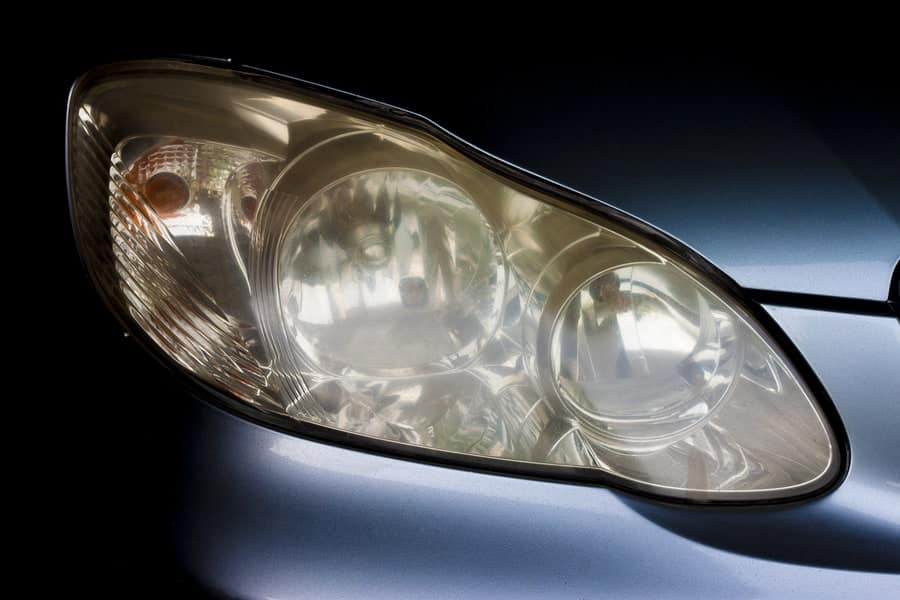
Keeping your car looking good is important. But letting others see you in the dark is vital. Headlights not only show you where to go, they also let other cars travelling in the opposite direction know you’re on the road. So when your headlights get oxidised, with the clear covers on the front turning cloudy, it’s not only your vehicle’s great profile that’s in danger of being damaged.
What’s the solution? Of course, you could purchase a new set of headlights and replace them yourself, which will leave you out of pocket, or you could follow our simple guide to restore yours to their former glory.
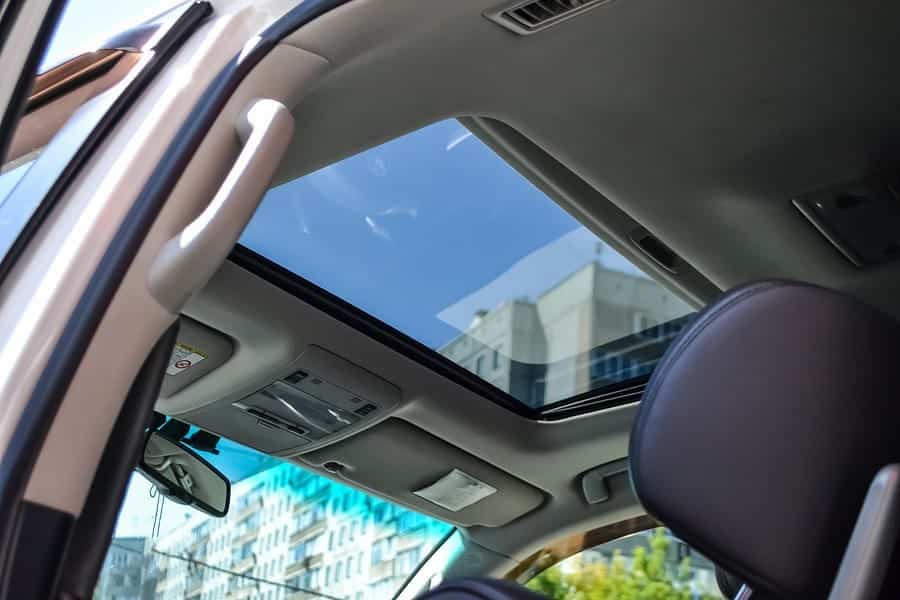
Yes, in the summer there’s nothing quite like a sunroof. It’s the easy way to let the heat out, the light in, and a cool breeze through your cabin. However, if this window in the top of your car starts leaking, it can be a nightmare experience, causing passenger discomfort and even distracting you when you’re driving.
Water is never good on your upholstery either, with watermarks often causing stains and the constant drips could even damage your internal electrics for windows and creature comforts, such as the infotainment system, ultimately devaluing the resale value of your car. Usually the culprit behind the leak will either be blocked drainage holes or a broken seal – which can be repaired with a little hard work and some attention.
You’ve been out and met some friends. The
subject of when to use fog lights has come into the conversation, and no one
seems to have the answer. What do you do next? That’s right. You turned to good
old Google and found this article.
We’re keen to clear up this age old argument
once and for all. Many drivers do actually use their fog lights at the
incorrect time, and maybe you or your friends could be one of them. Let’s
settle this matter once and for all.
Buying a car is a process fraught with potential problems and dangers. There’s a reason why the stereotype of the used car salesman exists, although the majority of people who work in this field are reputable and honest.
Still, sometimes flood damaged vehicles appear on the market, sellers can pull off dodgy tricks and you’ll need to have your wits about you during your test drive. But there’s another red flag you’ll want to avoid when looking for a potential purchase, and that’s the cloned car.
There’s a saying in show business that you should never work with children or animals. It’s because they both require special attention, and nowhere is that truer that in the back of your car. Children need entertainment and breaks whilst your dogs may need similar attention, there are definite differences. How can you best maximise your dog’s comfort, keeping it calm and undisruptive on a car journey?
When you sell on your new or second-hand car,
you’ll want to achieve the best price possible. A well looked after car, both
in terms of the exterior and the engine is obviously more desirable to a buyer,
and will hence attract a better price. However there are many factors that can
devalue a vehicle, from a messy interior to a brakes that’ve been pushed too
hard. What are the ideal ways to take care of your car to achieve the optimal
sell on price?
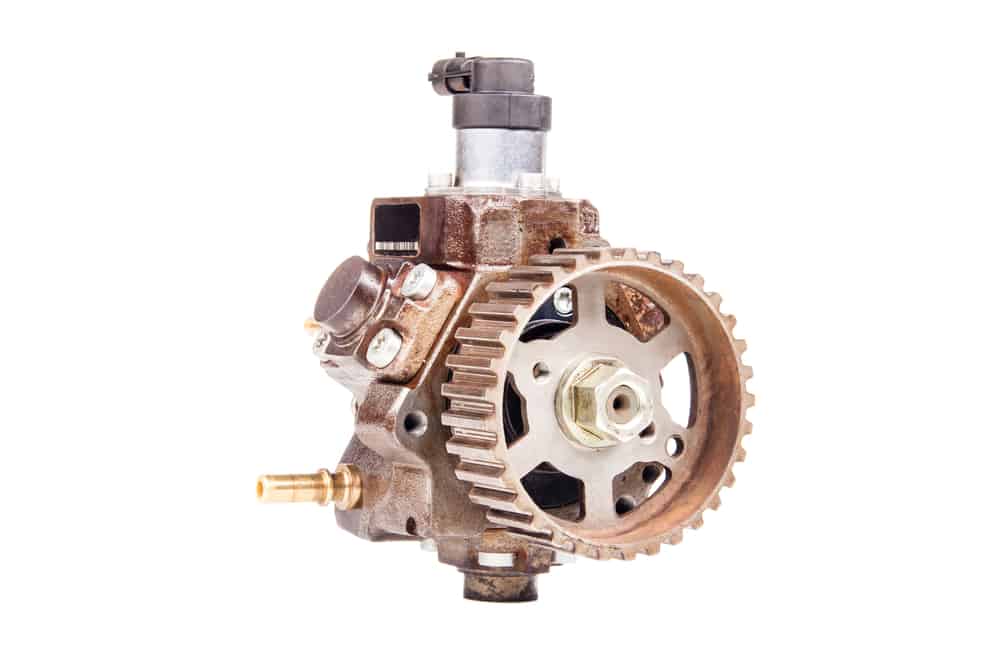
The purpose of your fuel pump is fairly self-explanatory. The part pumps fuel from the tank into the engine, so if it’s not working correctly this can be problematic. It should run for thousands of miles, but like all parts after time it becomes increasingly prone to failure. To avoid being stranded 200 miles from home, watch out for the following problems:
As the heat rises in the air and the harvest becomes full,
sap is often extruded from the trees around your home and on the roads. Whilst
parking under a tree is a great way to protect your vehicle from the heat, it
may leave it prone to drops of sap landing on the paintwork. Although this
won’t cause immediate damage, if left unattended it can dry like cement on your
vehicle.
In days gone by sellers would rip off car buyers by winding back the mechanical odometer using a number of techniques. This is a process that’s more commonly known as clocking. In the past it would often leave tell-tale marks like screwdriver scratches on the dash or the numbers in the meter not quite lining up.
With the event of digital and electronic odometers, you might think
that this practice has all but ended, but actually clocking is on the rise, and
now with the range of electronic systems that can be used to alter mileage – it’s
more prevalent than ever.
What can you do to make sure that you’re not a victim of this
deceitful selling practice?