Blog » 10 Signs That Your Starter Motor Could Be in Trouble and How to Replace One
10 Signs That Your Starter Motor Could Be in Trouble and How to Replace One
Poor maintenance will cause problems with your starter motor. However, this little powerhouse is responsible for the kinetic kick that gets your engine revving and running – and therefore suffers a tremendous amount of stress every time you twist your key in the ignition. So no matter what you do, this part will wear out over time.
The bigger and newer your car, the greater the stress on the starter motor. The longer it goes without trouble, the more likely it is to fail. Remaining aware of the following danger signs can help you avoid serious problems.
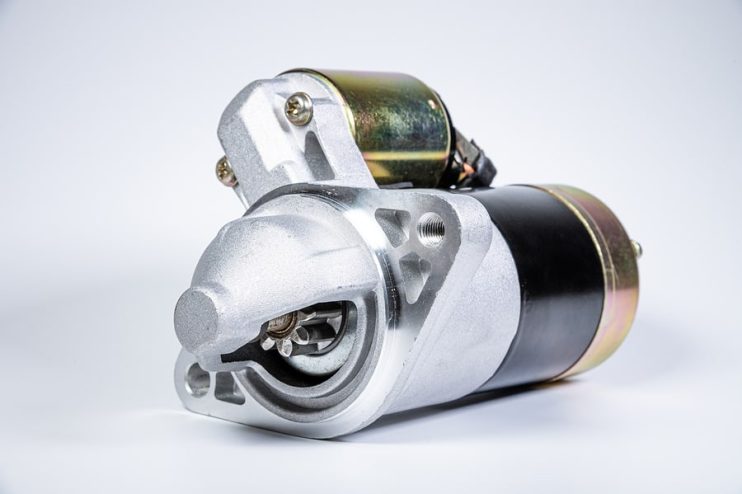
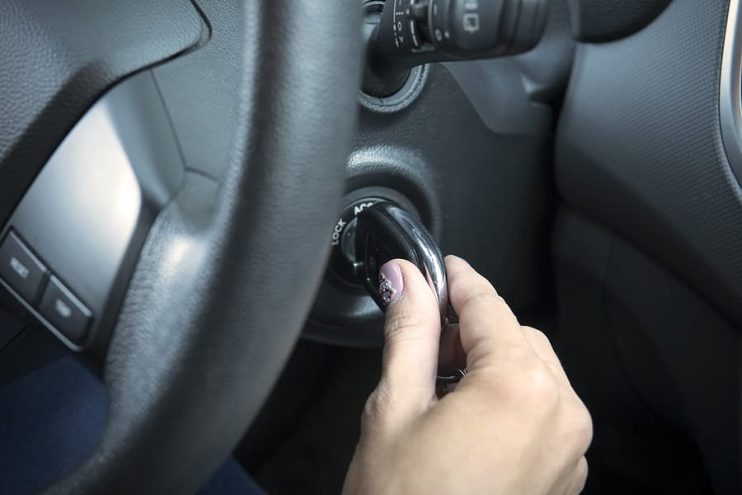
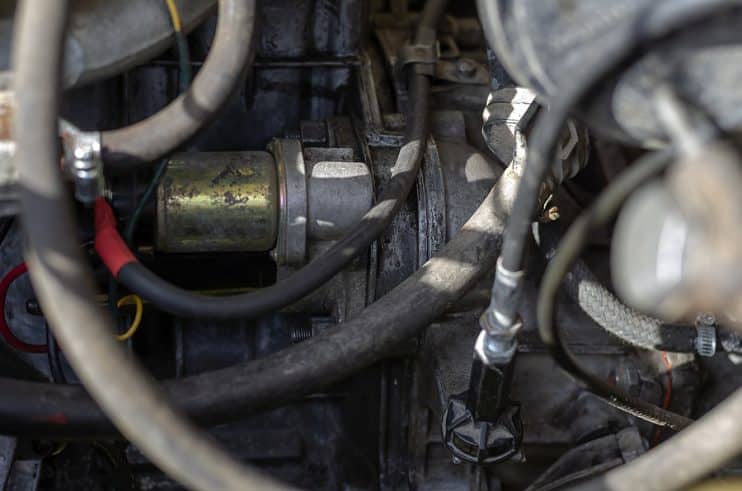
When you turn the ignition key or hit the switch in your car, this engages a solenoid (switch) on the starter motor. This in turn engages a gear, using its rotational power to fire up the engine by rotating the crankshaft. This process is more commonly known as turning the engine over. Because the engine doesn’t have the power to start under its own combustion, the starter motor gives it the necessary boost.
Starter motor warning signs
It’s rare for a starter motor to fail outright. If you notice one or more of the warning signs below, it’s best to have the vehicle inspected sooner rather than later. If the starter motor fails completely, you may not be able to drive the car at all.
If power is present but the engine won’t turn, book a starter motor inspection
2. Engine simply won’t turn over
Cause The starter motor isn’t delivering power to the engine. This could also be caused by a flat battery, faulty solenoid or a poor connection.
Symptoms
Turning the key produces no engine movement
No cranking sound
What to do
Check the battery and available power first
If the battery is fine, inspect the solenoid and starter motor connections
3. Metal-on-metal grinding noises
Cause The starter motor isn’t engaging properly with the flywheel, usually because the starter drive gear is worn.
Symptoms
Grinding or scraping noises when starting
Noise happens at ignition
What to do
Stop using the vehicle if possible
Have the starter motor checked quickly to avoid flywheel damage
4. Free wheeling
Cause There’s very little engagement left between the starter motor and the flywheel.
Symptoms
A whining noise when starting
Starter motor spins but the engine doesn’t crank
What to do
Get the car to a garage as soon as possible
Continued use risks damage to both parts
5. Overheating and smoking
Cause The starter motor is drawing too much current, often due to electrical faults or repeated long start attempts.
Symptoms
Strong smell of smoke
Heat from the engine bay
Possible visible smoke
What to do
Stop trying to start the car
Have the starter motor and electrics checked immediately
6. Oily starter motor
Cause Oil leaks have contaminated the starter motor, reducing efficiency and speeding up wear.
Symptoms
Visible oil on or around the starter motor
Gradual or sudden starting problems
What to do
Fix the oil leak
Replace the starter motor if contaminated
7. Starter doesn’t stop
Cause A faulty solenoid is often caused by internal contacts welding together.
Symptoms
Starter motor keeps running after the engine has started
Unusual noises after ignition
What to do
Switch off the engine if possible
Replace the solenoid to avoid flywheel damage
8. Damaged solenoid
Cause The solenoid has failed and isn’t switching properly.
Symptoms
No clicking sound when turning the key
Engine doesn’t crank
What to do
Carry out a visual check
Replace the solenoid if faulty
9. Intermittent starting problems
Cause Problems with the relay supplying power to the starter motor.
Symptoms
Engine sometimes starts normally
Other times it takes much longer
What to do
Have the relay and wiring checked
Deal with it early to avoid failure
10. Starter engages but the engine won’t start
Cause The starter or flywheel gears aren’t engaging properly and may be worn or misaligned.
Symptoms
Starter motor can be heard
Engine fails to crank
What to do
Avoid repeated start attempts
Have the starter motor and flywheel checked together
Prolonging the life of your starter motor
The following tips can help you get hundreds or even thousands more miles out of your starter motor:
Keep the connectors, terminals, and solenoid clean, ensuring the motor receives enough power to fully rotate the engine. Dirty, corroded or worn connections can reduce the current available to the motor, making it work harder, which leads to increased fatigue.
Ensure the mounting bolts are tight to preserve the connection between the motor and the flywheel. Both parts are under a lot of pressure, and a bad connection can cause them to wear out quickly.
Inspect the flywheel. Over time the flywheel can become cracked, worn or even lose its teeth, impacting efficient engagement with the pinion gear on the starter motor. If you continue to force the starter motor to work with a broken flywheel, it will quickly diminish the lifespan of the part.
Replacing your starter motor
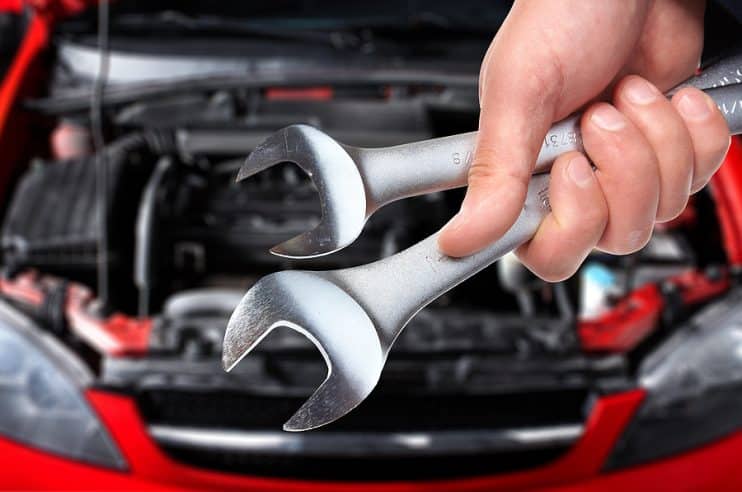
Replacing a starter motor is generally one of the easier jobs on a modern car and is suitable for an amateur mechanic. It sits at the lower end of the skill spectrum, requires no specialist technical knowledge, and can usually be completed using basic hand tools such as flare spanners and a socket and wrench set.
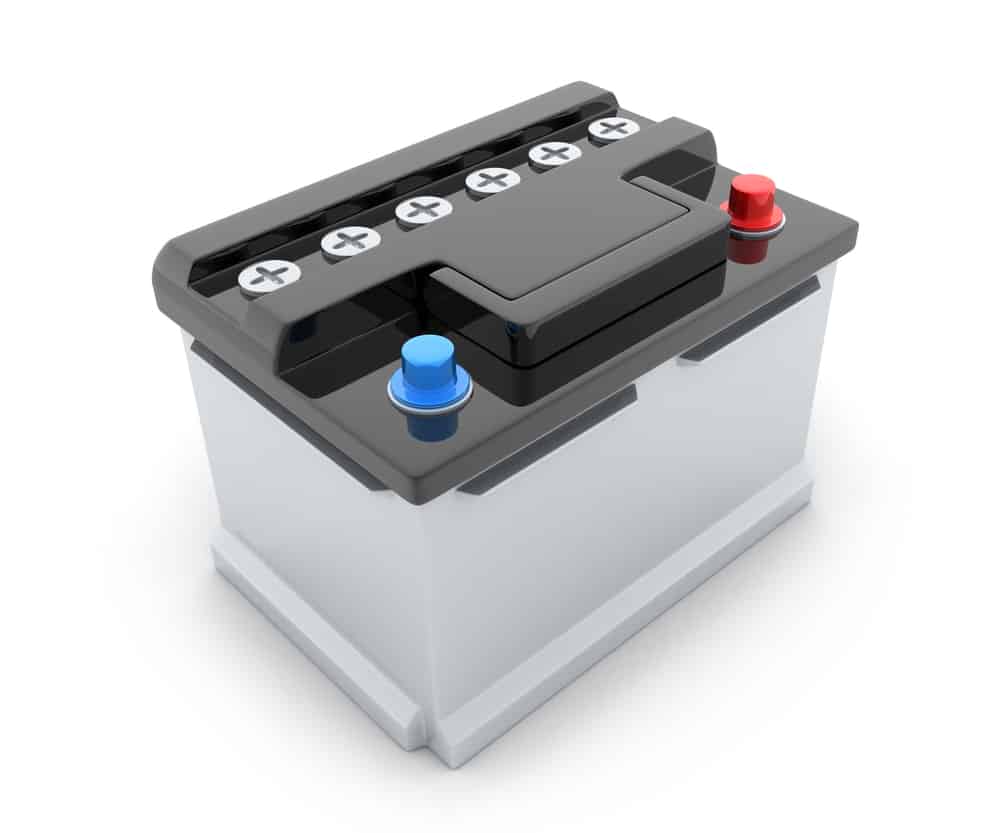
Step one: isolate the battery
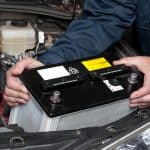
Open the bonnet and locate the battery
Remove all wires from the battery terminals
This prevents electric shock and accidental short circuits while you work
Step two: locate and disconnect the starter motor
The starter motor is usually located between the engine and the gearbox
Remove the electrical connections at the top of the motor
Use a socket wrench to undo the bolts holding the wires in place
Mark the wires with chalk or draw a diagram to ensure correct reconnection
Step three: remove and replace the starter motor
Use a socket wrench to unbolt the starter motor from the engine
Thread the mounting bolts by hand before tightening fully with a socket wrench
Step four: reattach the connections
Reconnect the marked wires to the starter motor
Remove and refit the securing bolts to complete the connections
Ensure both positive and negative terminals are correctly attached
Reconnect the battery cables
Step five: start the car
Attempt to start the engine
If the car does not start, check all connections carefully
Confirm power is being supplied to the starter motor before assuming the new part is faulty
A note on replacement starter motors
It’s worth noting that starter motor types are often upgraded. This means there’s little point in comparing your new starter motor to the old one removed from the car to see if they’re the same. If you are in doubt about whether you’ve received the right part from your dealer, we’d advise a simple check on one of the many engineering forums on the web.
How long does a starter motor usually last?
Most starter motors last a long time, but they don’t last forever. In many cars, a starter motor will typically see well over 100,000 miles before problems start to show, though this varies depending on driving habits, vehicle size and how often the car is started. Short journeys and stop-start driving tend to put more strain on the starter motor, which can shorten its lifespan.
Can you jump start a car with a faulty starter motor?
Jump starting can help only if the problem is with the battery, not the starter motor itself. If the starter motor has failed, jump leads won’t make any difference, as the motor still won’t be able to turn the engine over. If a jump start works, it’s a good sign the battery or connections were the issue rather than the starter motor.
Can you drive with a faulty starter motor?
Once the engine is running, the starter motor isn’t doing anything. That means you can drive the car in some cases. The risk is that if you switch the engine off, it may not start again. If the starter motor is showing clear warning signs, it’s best to avoid unnecessary stops and get it fixed as soon as you can.
How long does it take to replace a starter motor, and is it expensive?
Replacing a starter motor is usually a fairly quick job compared with many other engine repairs. For a garage, it often takes around an hour or two, depending on how easy the motor is to access. For a confident DIYer, it can take a bit longer but is still very manageable.
Costs vary depending on the car and whether you choose a new or used part, but labour costs are generally reasonable compared with larger engine or gearbox repairs. That’s one of the reasons many people choose to replace the starter motor rather than delay the repair.
And finally…
Cars undergo tremendous stress on the road, and it’s a testament to modern engineering that ride quality is so high and engine noise so low. It’s almost easy to forget that cars wear out over time – and your starter motor is no exception.
Fortunately, replacing your starter motor is a job that most mechanically minded individuals with a reasonable degree of skill can take on, allowing you to keep your car running smoothly without expensive garage bills.
Disclaimer: These articles are for guidance purposes only. If you have any questions regarding any matter
relating to your vehicle we would recommend that you seek the advice of an appropriate professional.
We accept no responsibility or liability should you suffer financial or personal damages in
relation to the advice stated on this website.